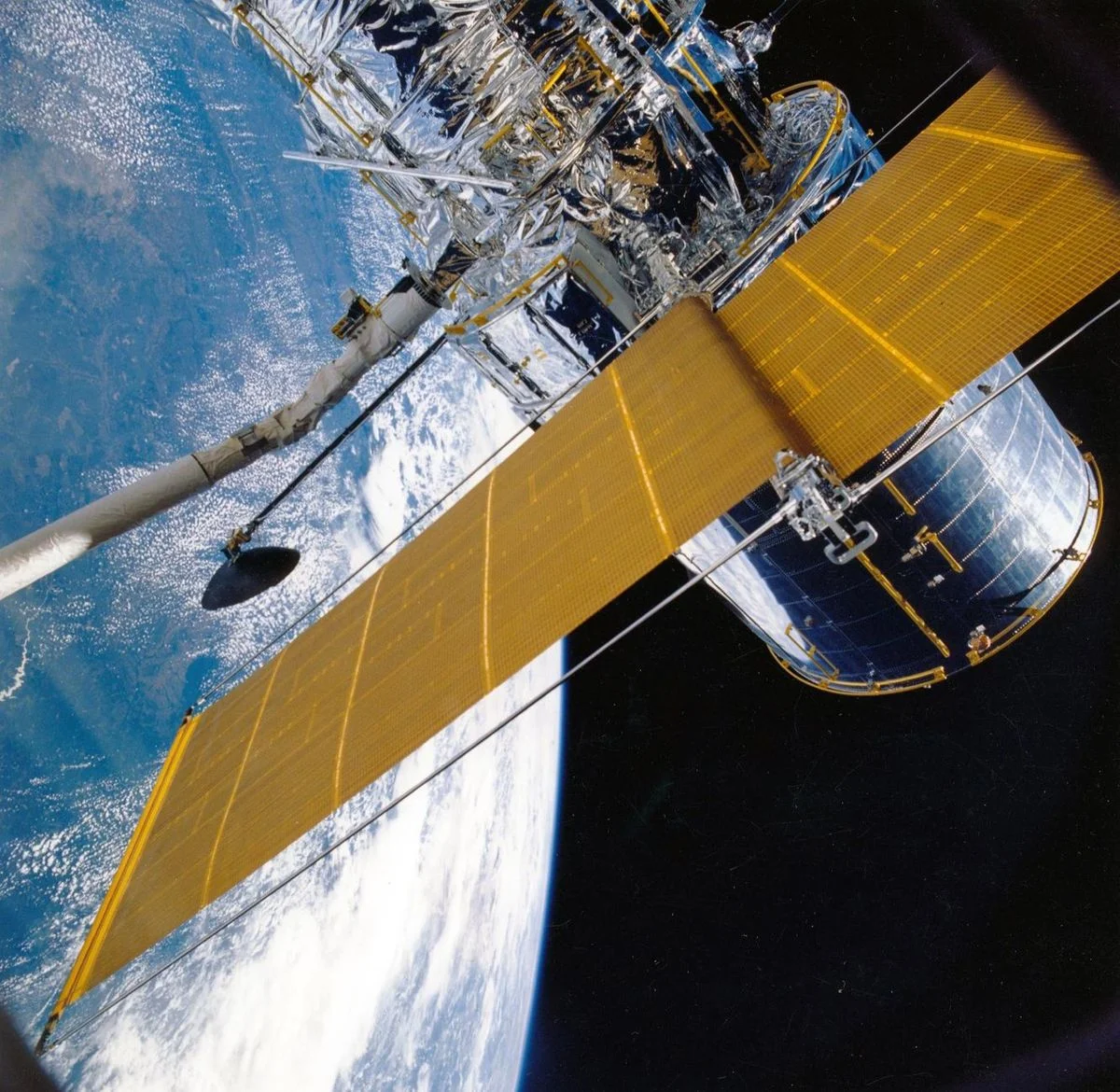
The Federal Communications Commission (FCC) in the United States has recently granted approval for a highly controversial test involving a giant space mirror. This decision by the US regulator paves the way for a project aimed at providing ‘sunlight on demand’ by reflecting light back to Earth, a development that has already sparked significant opposition, particularly from the global astronomical community.
According to reports, the FCC has given its assent to Reflect Orbital’s proposal to deploy this reflective satellite in low Earth orbit. The core intention is to illuminate parts of the night sky, a concept described by The Conversation as generating “sunlight on demand” through its test. However, this initiative has met with a notable “outcry,” as reported by The New York Times, among various groups, including professional astronomers, who have voiced strong objections to its potential impact.
Background to the Approval
The concept of manipulating light from space to influence terrestrial conditions has long been debated. Reflect Orbital’s recent FCC approval marks a critical progression towards testing such a system in a real-world, orbital environment. The premise involves placing a large reflective surface into low Earth orbit to direct concentrated sunlight towards designated areas on Earth. This innovative, albeit contentious, technology could theoretically offer new avenues for localised nighttime illumination or enhance solar power generation. However, broader applications remain speculative beyond the immediate test. This decision underscores a growing trend in space exploration and commercialisation, where novel ideas are pushed into orbital deployment.
The FCC’s Green Light and Reflect Orbital’s Plans
The Federal Communications Commission’s decision to approve Reflect Orbital’s space mirror test has sent ripples across both the technological and scientific communities. PCMag UK highlighted that the FCC formally approved the deployment of Reflect Orbital’s “giant mirror satellite,” a move drawing immediate attention due to strong negative reactions from astronomers. While the regulatory body’s precise rationale was not detailed in the available snippets, the action signals a willingness within the US framework to explore and permit novel applications of space technology.
This project is set to involve placing a significant reflective structure into low Earth orbit. Its primary objective, as outlined, is to rigorously test the feasibility and practical aspects of delivering ‘sunlight on demand’. This capability, as described by The Conversation, places Reflect Orbital’s initiative at the cutting edge of experimental space engineering. The approval occurs within a dynamic period of increasing activity and innovation in low Earth orbit, an environment that The Conversation aptly characterised as “getting weird” due to the rapid proliferation and diverse nature of satellite projects.
The “Outcry” and Astronomers’ Strong Opposition
A central aspect of the space mirror project is the profound opposition it has garnered from the global community of astronomers. The New York Times explicitly reported that the FCC’s approval was granted “despite outcry,” indicating considerable public and scientific disagreement. While specific, detailed concerns were not fully articulated within the snippets, typical objections revolve around several critical issues.
These generally include potential for increased light pollution in the night sky, which could severely interfere with vital ground-based astronomical observations. Furthermore, worries exist about altering the natural appearance of the night sky, a cultural and scientific resource. PCMag UK starkly captured the sentiment by stating that astronomers “hate” the project, a phrase powerfully conveying deep reservations within the scientific community. Such strong reactions underscore anxieties regarding potential disruption to professional astronomical research, amateur stargazing, and the broader human connection to the cosmos, intrinsically linked to undisturbed observation. The proposed mirror represents a fundamental change to this natural environment.
Frequently Asked Questions
- Q: Which US regulatory body approved the space mirror test?
A: The Federal Communications Commission (FCC) in the United States approved the test. - Q: What is the main objective of the space mirror project?
A: The space mirror is designed to light the night sky, with the goal of providing ‘sunlight on demand’. - Q: Which company is developing and deploying this space mirror?
A: Reflect Orbital is the company responsible for the space mirror project. - Q: Why are astronomers strongly opposing this initiative?
A: Astronomers have expressed significant opposition and “hate” for the project, citing concerns despite the FCC’s approval, likely relating to light pollution and interference with observations.
What This Means for You
For our readership across Birmingham and the wider West Midlands, alongside a broader UK audience, the Federal Communications Commission’s recent approval of Reflect Orbital’s space mirror test represents a pivotal moment in the rapidly evolving domain of space technology and its potential impacts. While this project is primarily an initial US-based test deploying a satellite into low Earth orbit, its longer-term implications could extend globally. The bold concept of ‘sunlight on demand’ or an artificially illuminated night sky, however experimental its current stage, touches upon fundamental aspects of our natural environment and the age-old human tradition of sky-gazing.
The intense debate sparked by this approval, particularly the vehement opposition articulated by astronomers and reported by both The New York Times and PCMag UK, distinctly highlights a growing tension. This tension exists between the relentless pursuit of technological advancement and the equally crucial imperative of environmental preservation and scientific integrity. As low Earth orbit increasingly becomes a busy arena for private commercial ventures, discussions around potential orbital light pollution, safeguarding the natural night sky, and broader ethical considerations are poised to become ever more prominent and globally relevant. For the present, this remains a US-approved experimental test, but it powerfully underscores the ongoing evolution of how humanity interacts with, and potentially reshapes, the celestial environment directly above us.