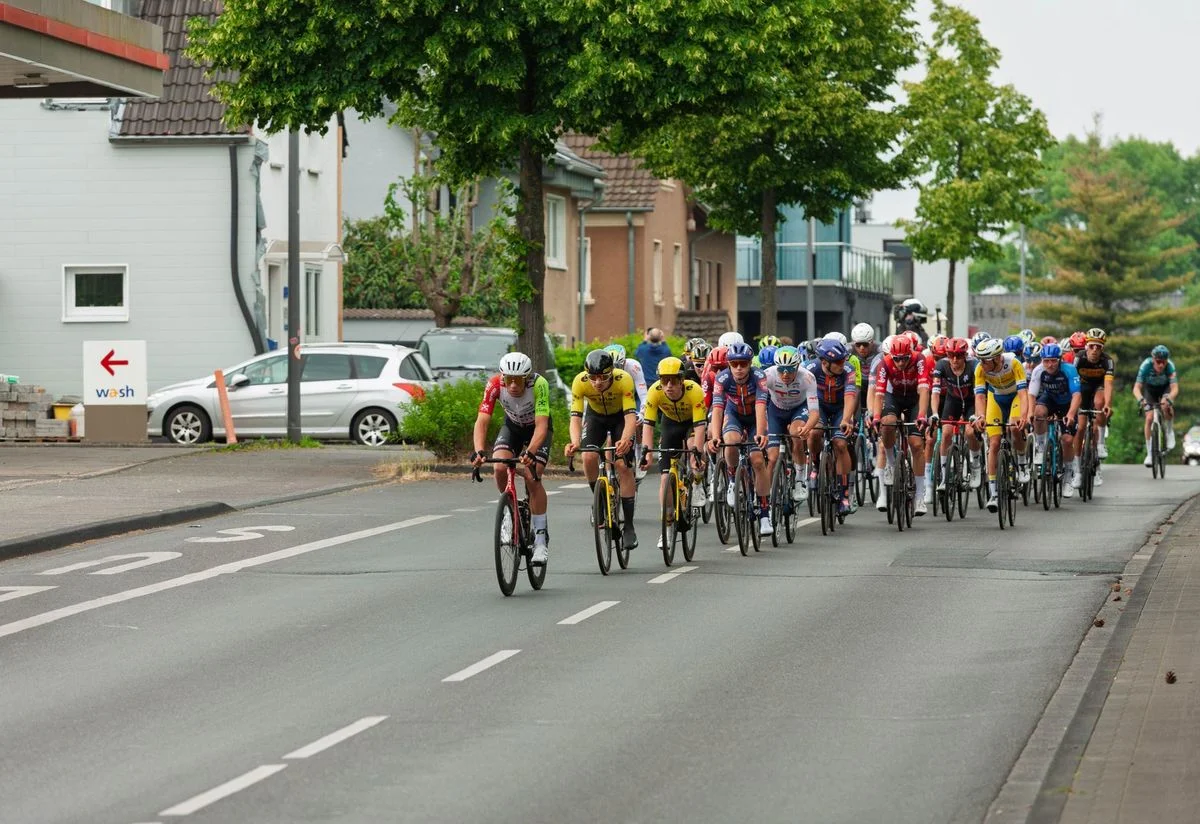
The ninth stage of the Tour de France in 2026 saw significant challenges for riders, ranging from extreme weather conditions to unexpected mechanical failures. Tadej Pogacar, a prominent figure in the cycling world, openly criticised the demanding circumstances, calling for a radical overhaul of the event’s calendar due to a stifling heatwave. Concurrently, British cyclist Tom Pidcock encountered a critical electronic shifter issue, which significantly hampered his performance in a crucial sprint. These incidents highlight the multifaceted pressures faced by athletes at the pinnacle of professional cycling.
Background
The 2026 Tour de France has been marked by various developments, including particularly challenging environmental conditions. The ninth stage, in particular, brought to light the intense physical demands placed on competitors. The heatwave experienced during this period prompted serious concerns about rider welfare and the sustainability of the current racing schedule. These discussions extend beyond cycling, echoing broader conversations about major global events in 2026 and their planning.
Tadej Pogacar’s Call for Change
According to The Guardian, Tadej Pogacar expressed strong opinions regarding the extreme heatwave conditions witnessed during the ninth stage of the 2026 Tour de France. Pogacar urged a radical overhaul of the Tour de France calendar, citing the stifling heat as a major concern. His comments underscore the growing debate within the sport about adapting major competitions to changing climatic conditions and prioritising athlete safety. This concern for athlete welfare is not unique to cycling; similar considerations are often part of discussions surrounding other major sporting events, such as World Cup 2026 qualifiers. Mathieu van der Poel was also mentioned in connection to the ninth stage, as highlighted by The Guardian.
Tom Pidcock’s Stage 9 Challenges
British rider Tom Pidcock faced significant mechanical setbacks during the ninth stage of the 2026 Tour de France. As reported by Cyclingnews, Pidcock explained that he “couldn’t change gear” due to electronic shifter issues. These problems were specifically attributed to a stone that lodged itself in his shifter, as further detailed by Escape Collective. Despite feeling good in the Tour de France breakaway, this unforeseen technical fault severely hampered his sprint efforts. Even with these difficulties, Pidcock managed to secure a podium position on Stage 9, a testament to his resilience, despite the frustration of the mechanical problem preventing him from fully competing in the sprint, as described by Escape Collective. This highlights how unexpected issues can impact even the strongest contenders in events like the Tour or even the World Cup.
FAQ Section
Here are some frequently asked questions about Tour de France Stage 9:
-
What were the main challenges during Tour de France Stage 9?
The ninth stage of the 2026 Tour de France was marked by a stifling heatwave, leading to concerns about rider welfare, and mechanical issues for some cyclists, notably Tom Pidcock.
-
What did Tadej Pogacar say about the Tour de France?
Tadej Pogacar urged a radical overhaul of the Tour de France calendar due to the extreme heatwave conditions experienced during the ninth stage, according to The Guardian.
-
What issue did Tom Pidcock encounter on Stage 9?
Tom Pidcock experienced electronic shifter issues during his sprint from a breakaway on Stage 9, caused by a stone in his shifter that prevented him from changing gear.
-
How did Tom Pidcock’s mechanical issue affect his race?
Despite feeling good, the issue hampered his sprint from the breakaway. However, he still managed to achieve a podium position on the stage.
What this means for you
For readers in Birmingham and the West Midlands, and indeed across the UK, the events of Tour de France Stage 9 offer insights into the demands and challenges faced by elite athletes. The calls for calendar changes due to heatwaves reflect broader environmental concerns that can impact major sporting events worldwide. Furthermore, seeing a British rider like Tom Pidcock overcome significant mechanical issues to still achieve a podium finish showcases resilience and determination, qualities often celebrated in local sports communities. These developments in international cycling contribute to the ongoing discussions about athlete welfare, event planning, and the future of professional sport, impacting how such global spectacles are organised and experienced by audiences everywhere.