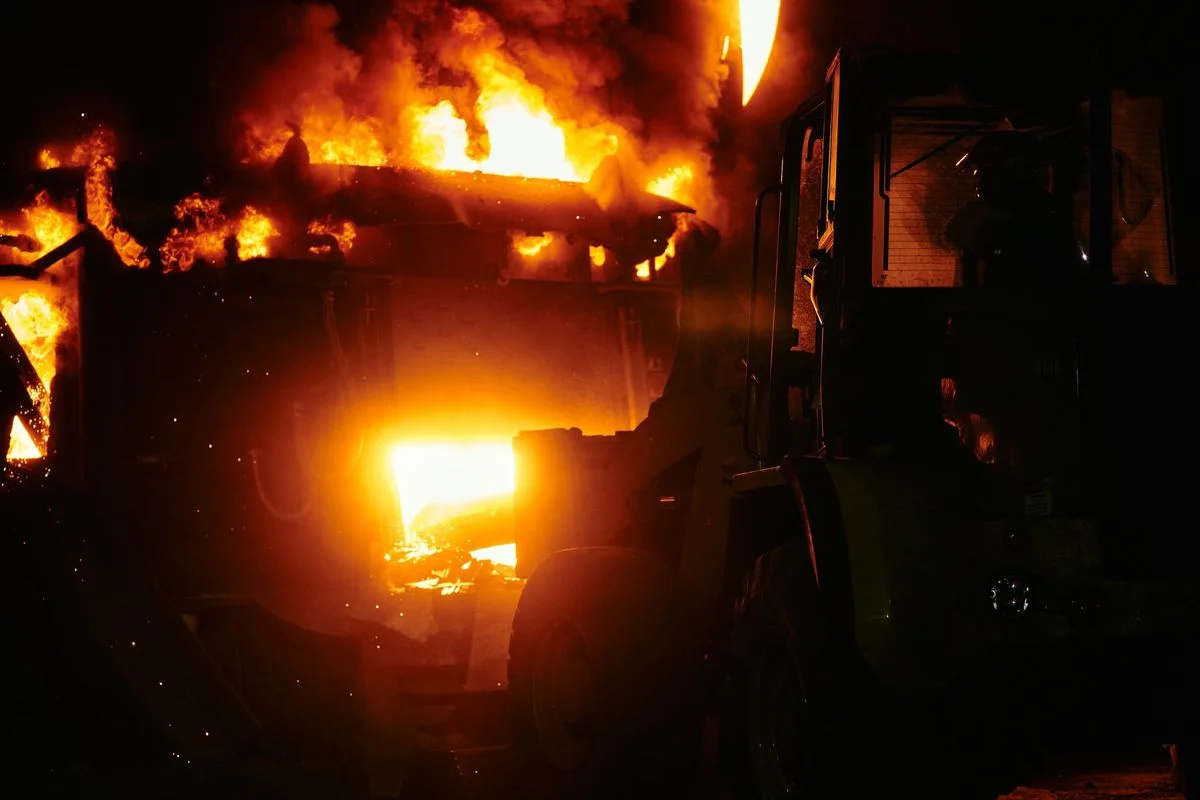
A significant fire erupted at a scrapyard in Nottingham, prompting the evacuation of nearby properties and a considerable emergency response. The incident, which took hold in the Basford area, saw multiple fire crews deployed to tackle the blaze and ensure public safety. This event underscores the challenges faced by emergency services in managing large-scale industrial fires.
The blaze generated a substantial response from emergency services, with crews rushing to the scene to bring the situation under control and mitigate any risks to the surrounding community. The incident highlights the rapid deployment capabilities of Nottinghamshire’s fire and rescue teams.
Background
Fires at scrapyards often present unique challenges for firefighters due to the diverse and sometimes volatile materials found on site. Such materials can include metals, plastics, rubber, and various fluids, all of which can contribute to intense heat and dense smoke, making containment and extinguishing operations complex. The primary concern in such situations is always the safety of residents in the surrounding areas, as well as the personnel responding to the incident.
Emergency services typically establish exclusion zones and advise on precautions for those living nearby, such as keeping windows and doors closed. The rapid deployment observed in this incident reflects the standard protocols for managing potential public safety risks associated with large industrial blazes, aiming to protect both property and lives.
Emergency Response and Evacuations
The emergency response to the Nottingham scrapyard fire was substantial, with seven fire crews attending the scene, according to reports from West Bridgford Wire. Their rapid arrival was crucial in beginning efforts to control the extensive blaze and prevent further escalation.
The nature of the fire necessitated immediate action to mitigate risks to the local community. As a direct consequence of the incident’s severity, properties in the vicinity were evacuated, a measure confirmed by the BBC. This precautionary step is standard practice when smoke plumes or the risk of fire spread could impact residential areas, prioritising the well-being of residents.
TheBusinessDesk.com also confirmed that crews rushed to the scene to address the fire at the Nottingham scrapyard, further highlighting the urgency and scale of the response required. The coordination of multiple crews demonstrates the extensive operation needed to manage such an event, focusing on both extinguishing the fire and protecting the surrounding environment and residents.
Frequently Asked Questions
- Q: Where exactly did the fire take place?
A: The fire broke out at a scrapyard located in Nottingham, specifically within the Basford area. This location was identified in reports covering the incident. - Q: How many fire crews were involved in the response?
A: According to information provided by West Bridgford Wire, a total of seven fire crews were dispatched to the scene to tackle the blaze. This indicates a significant emergency operation. - Q: Were residents or properties affected by the fire?
A: Yes, properties situated near the scrapyard were evacuated as a precautionary measure. This detail was reported by the BBC, indicating concerns for public safety in the immediate vicinity of the incident. - Q: What type of incident was reported?
A: The incident was characterised as a large fire breaking out at a scrapyard. Media outlets such as TheBusinessDesk.com and BBC described it as a substantial blaze requiring an urgent response from emergency services.
What this means for you
While this particular incident unfolded in Nottingham, its implications resonate across the UK, including for readers here in Birmingham and the wider West Midlands. Large-scale industrial fires like the one in Basford highlight the continuous need for robust emergency services and community safety protocols everywhere.
For residents in our region, it serves as a timely reminder of the critical role played by firefighters and other emergency responders in protecting lives and property, whether in urban centres or more industrial settings. These events underscore the importance of local resilience plans and the coordinated efforts required to manage significant incidents, ensuring the safety and well-being of all communities. It also implicitly reinforces the awareness of potential hazards in industrial areas and the importance of swift, decisive action by emergency teams.