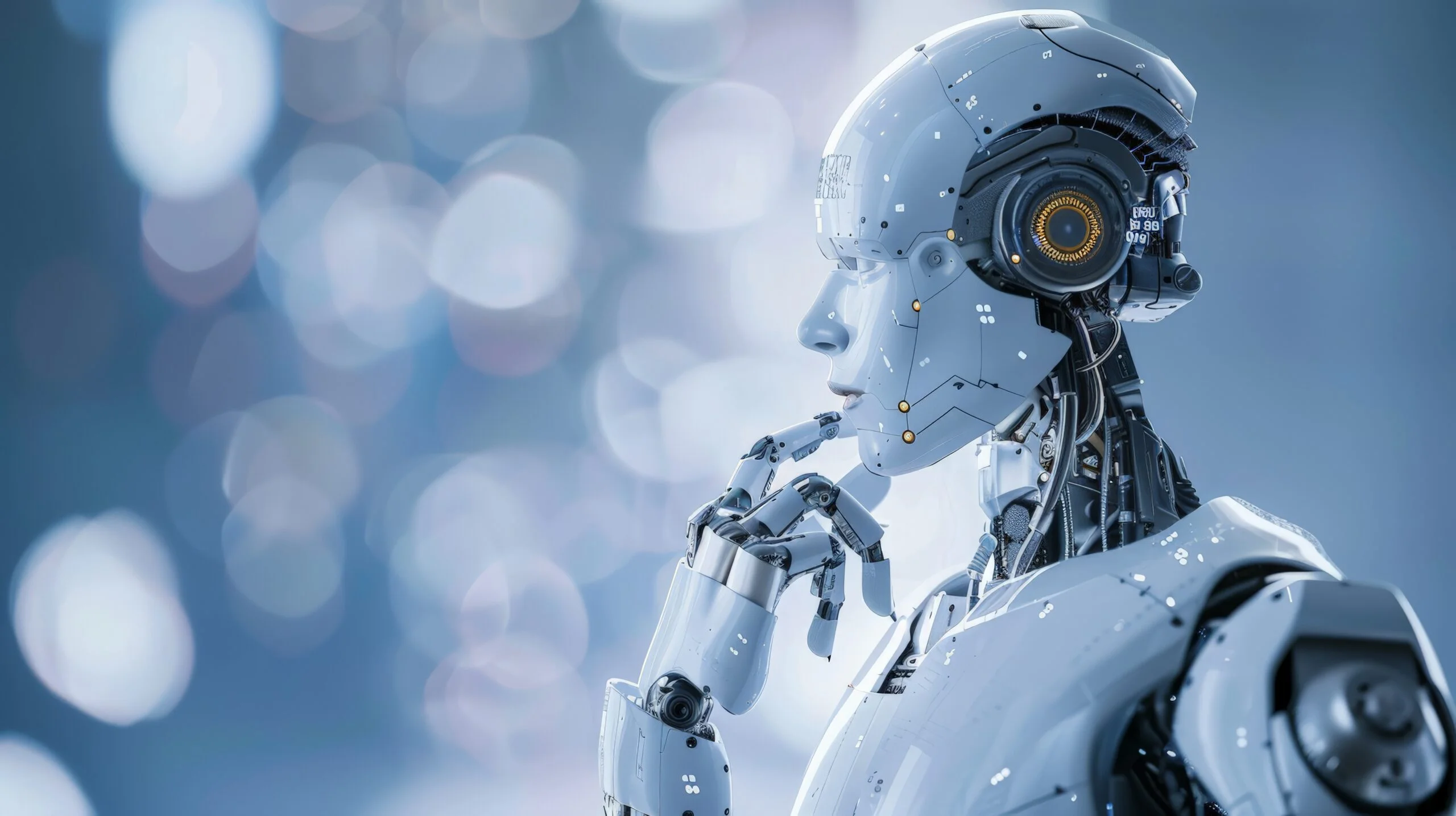
As we stand on the brink of a new era in the workplace, artificial intelligence is becoming an integral part of our daily operations. The future of work is here, and it’s transforming how we approach tasks, collaborate with teams, and drive productivity. With AI tools rapidly evolving, businesses across various industries are harnessing these innovative technologies to streamline workflows and enhance efficiency.
Imagine a world where mundane tasks are automated, enabling employees to focus on strategic thinking and creativity. This isn’t just wishful thinking; it’s happening now. As digital transformation accelerates at breakneck speed, understanding the role of AI-powered software in shaping business landscapes becomes crucial for staying competitive.
Join us as we explore how AI tools are redefining workplace dynamics today—and what this means for 2025 work trends and beyond. Prepare to discover not only the advantages but also the challenges that accompany this wave of automation technology sweeping through various sectors.
The adoption of AI tools is rapidly transforming industries across the globe. From healthcare to finance, these innovative technologies are reshaping workflows and enhancing efficiency.
In healthcare, AI-powered software analyzes patient data to assist in diagnosis and treatment plans. Doctors gain valuable insights that improve patient outcomes while reducing administrative burdens.
Meanwhile, in retail, smart tools streamline inventory management and personalize customer experiences. Businesses leverage automation technology to predict consumer behavior and optimize supply chains seamlessly.
Manufacturing isn’t left behind either; robotics infused with artificial intelligence boost production capabilities while minimizing errors. These advancements lead to safer workplaces as machines take on hazardous tasks.
Even creative sectors like marketing utilize AI for campaign analytics. Automated systems now generate content suggestions based on trends, helping teams focus more on strategy than logistics.
As we observe this rise of AI tools in various domains, it’s evident that their impact will only deepen as digital transformation accelerates further into our daily lives.
AI tools offer remarkable advantages that enhance workplace efficiency. They automate routine tasks, allowing employees to focus on more strategic activities. This shift not only boosts productivity but also fosters creativity.
With AI-powered software, data analysis becomes seamless. Companies can quickly derive insights from vast amounts of information, leading to informed decision-making. This agility is crucial in today’s fast-paced business environment.
Collaboration improves significantly with the integration of smart tools. Team members can communicate and share resources effortlessly, regardless of their location. Such connectivity enhances teamwork and drives innovation.
Moreover, AI solutions can personalize user experiences by tailoring workflows based on individual preferences and behaviors. This customization leads to greater job satisfaction as employees feel valued and understood.
Cost savings are another significant benefit. By streamlining processes and reducing manual errors, businesses often see a substantial decrease in operational costs over time.
As AI tools become more prevalent in the workplace, several challenges and concerns emerge. One major issue is job displacement. Automation technology can streamline tasks, but it may also render certain roles obsolete.
Another concern revolves around data privacy. With AI-powered software analyzing vast amounts of personal information, maintaining confidentiality becomes crucial. Companies must balance efficiency with ethical considerations.
Additionally, there’s the risk of dependency on smart tools. Over-reliance on artificial intelligence could hinder human creativity and critical thinking skills. Teams might struggle to adapt if they lean too heavily on these innovative tools for solutions.
Bias in algorithms poses another challenge as well. If not carefully monitored, AI systems can perpetuate existing inequalities within the workforce or make unfair decisions based on flawed data patterns.
A lack of understanding about these technologies can lead to resistance among employees and management alike, creating barriers to seamless integration into daily operations.
By 2025, AI tools will revolutionize how teams approach daily tasks. Intelligent systems will analyze workflows in real-time, suggesting optimizations that enhance productivity.
Automation technology will become increasingly sophisticated. It won’t just handle repetitive tasks but also assist in complex decision-making processes. This shift means employees can focus on creative and strategic initiatives rather than mundane activities.
Collaboration is set to evolve too. Virtual assistants powered by artificial intelligence will streamline communication among team members across different locations, fostering a more connected workplace environment.
AI-driven insights into employee performance and project timelines will help managers allocate resources efficiently, ensuring projects stay on track without unnecessary delays.
As businesses adopt innovative tools for workflow optimization, the emphasis on adaptability and learning agility among workers becomes crucial. Embracing these advancements can lead to enhanced operational efficiency and a more dynamic organizational culture.
The integration of AI tools into various sectors raises valid concerns about job displacement. As automation technology advances, certain roles may become redundant. This shift is particularly evident in tasks that are repetitive and predictable.
However, the focus should not solely be on loss. It’s essential to recognize retraining opportunities emerging alongside these changes. Companies can invest in upskilling their workforce to adapt to new technologies. This approach fosters resilience within teams, helping employees transition smoothly into more complex roles.
Innovative tools powered by artificial intelligence will create demand for skills that leverage human creativity and emotional intelligence. Professionals can enhance their capabilities through targeted training programs designed around future work trends.
Employers who prioritize employee development will likely see improved team collaboration and productivity as a result of this investment in human capital. Embracing change creates pathways for growth rather than fear of obsolescence.
As AI tools become integral to workflows, human skills will remain essential. Machines excel at processing data and automating tasks, but they lack emotional intelligence.
Collaboration, creativity, and critical thinking are traits that set humans apart. These soft skills foster innovation and drive team dynamics in ways that AI cannot replicate.
In an increasingly automated landscape, the ability to adapt is crucial. Workers who can learn new technologies or pivot strategies will be invaluable assets.
Moreover, ethical considerations surrounding AI demand a human touch. Decisions involving empathy and morality require insight only people can provide.
The future will see a synergy between humans and machines. Emphasizing human skills ensures teams not only harness the power of automation technology but also innovate beyond its limits.
As we navigate the evolving landscape of work, embracing AI tools will be essential for both individuals and organizations. The integration of artificial intelligence into daily operations is not just a trend; it’s a transformative shift that enhances productivity and streamlines processes.
Organizations must prioritize training to help employees adapt to these innovative tools. This will ensure that human skills remain at the forefront while automation technology handles repetitive tasks. Collaboration between humans and smart tools can lead to unprecedented levels of efficiency.
It’s also crucial for businesses to address concerns surrounding job displacement proactively. Investing in retraining programs can empower workers, making them valuable assets in this new era powered by AI software.
The future holds immense potential as we integrate AI into workflows across various industries. By leveraging workflow optimization technologies and fostering team collaboration through effective digital transformation strategies, companies can position themselves for success in 2025 and beyond.
Preparing today means thriving tomorrow—let’s embrace this change together with an open mind and readiness to innovate.