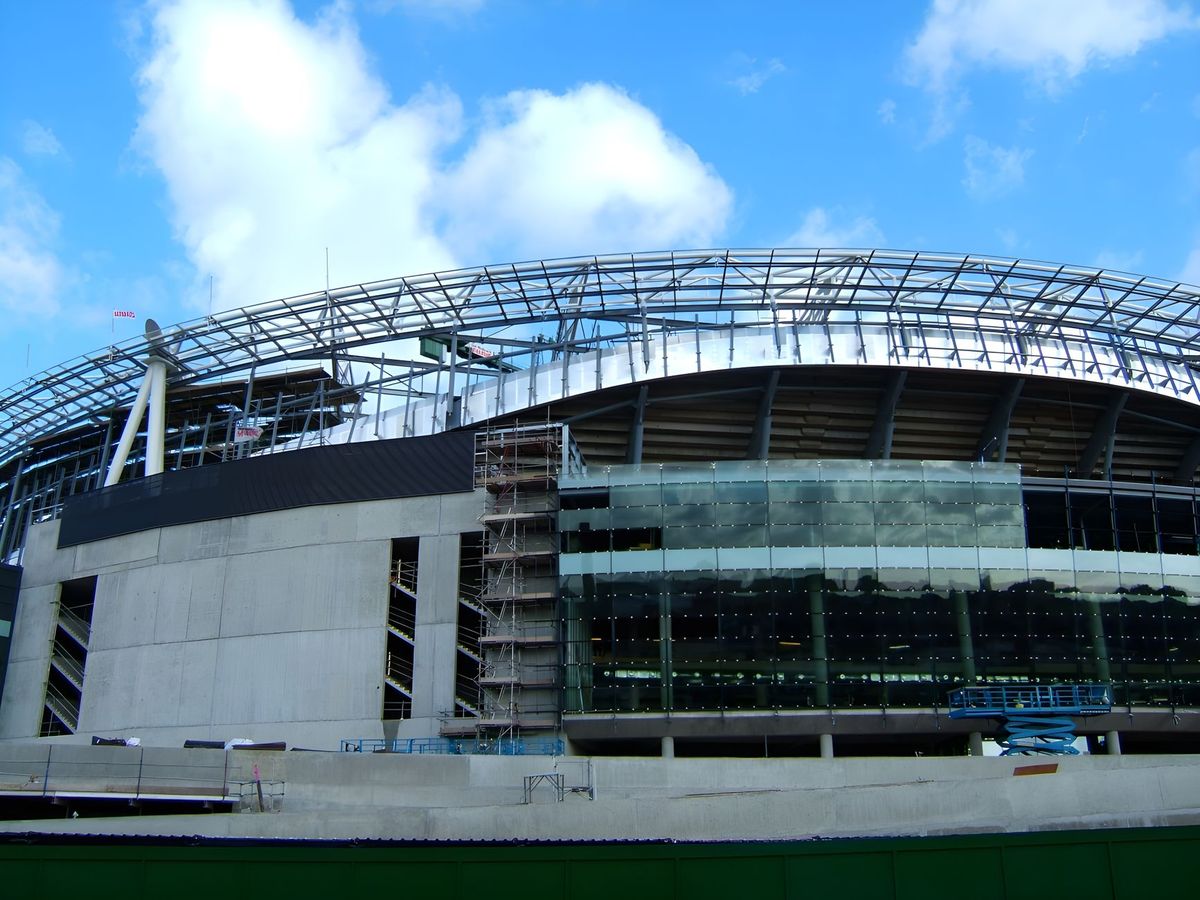
Manchester United has reportedly secured land adjacent to its current Old Trafford stadium, marking a significant step towards the potential development of a new 100,000-seater venue. This move, reported by sources including Sky Sports and the Manchester United Website, signals progress in the club’s long-term strategy for its home ground.
The acquisition of the plot, sold by Indurent according to Place North West, is a crucial development as plans to potentially leave Old Trafford gather pace.
Background
Old Trafford has been the home of Manchester United since 1910. For decades, it has stood as one of the most iconic stadiums in world football. Discussions around the stadium’s future have been ongoing for some time, with various options being explored to ensure a modern, world-class facility for the club and its supporters. The current development represents a potential significant shift from the historic ground, reflecting an ambition to enhance the club’s infrastructure for the coming decades.
Land Acquisition Details
According to the Manchester United Website, the club has “secured land for new 100,000-seater stadium.” This official confirmation underscores the seriousness of the club’s intentions. The specific plot acquired is situated adjacent to the existing Old Trafford site, providing geographical continuity for the club’s operations in the area.
Place North West further reports that Indurent sold the land to Manchester United specifically for the proposed 100,000-seater stadium. This transaction facilitates the ambitious project, which aims to provide a state-of-the-art facility capable of accommodating a significantly larger audience than the current stadium.
The ambition for a 100,000-seater stadium would make it one of the largest club football venues in the UK and Europe. Sky Sports also reported on the development, stating that Manchester United has “secured land to build new 100,000 seater stadium as plans to leave Old Trafford gather pace.”
This move is integral to the broader discussions surrounding the club’s long-term infrastructure and its strategic vision both on and off the pitch. For further context on potential player movements that could impact the club’s future, readers might be interested in our article on Valencia Recommends Two Young Signings for Man Utd.
Future Vision
The acquisition of land points towards a significant investment in the club’s future infrastructure and global standing. A new 100,000-seater stadium would not only substantially increase matchday revenue potential but also solidify Manchester United’s position as a major force in global football, offering an enhanced, state-of-the-art experience for fans. This facility would aim to meet the highest modern standards for comfort, accessibility, and technology.
Such a development represents a clear statement of intent from the club’s ownership regarding their long-term commitment to Manchester United. It indicates a readiness to invest heavily in physical assets to support the club’s continued growth and success. This development follows a period of intense focus on the club’s strategic direction, including leadership decisions. Our readers can find more information on related topics such as Next Man Utd Manager Odds: Latest Favorites, Insider Analysis, and What Could Happen Next.
FAQ
- Q: What is the main development regarding Manchester United’s stadium?
A: Manchester United has secured land for the potential development of a new 100,000-seater stadium, located adjacent to the current Old Trafford site. - Q: What is the proposed capacity of the new stadium?
A: The proposed capacity for the new stadium is 100,000 seats, as reported by various sources. - Q: Who sold the land to Manchester United?
A: The land for the new stadium was sold to Manchester United by Indurent, according to Place North West. - Q: Does this development mean Old Trafford will be replaced?
A: The acquisition of land is directly linked to plans for a new stadium, with Sky Sports reporting that “plans to leave Old Trafford gather pace.” This suggests a potential replacement for the historic Old Trafford.
What this means for you
For readers in Birmingham and the West Midlands, and indeed across the wider UK, the developments at Manchester United represent a significant moment in English football. While based in the North West, Manchester United is a club with a national and international following, and the potential for a new, larger stadium would impact the landscape of major sporting events in the country. This includes the potential for hosting more high-profile matches, concerts, and other large-scale events that draw attendees from across the UK.
Such a large-scale infrastructure project could also have broader economic implications. Beyond the immediate area of Manchester, it signifies substantial investment in the UK’s sporting infrastructure, potentially creating jobs indirectly and contributing to the national economy through increased tourism and event-related spending. The potential for a modern, 100,000-seater venue underscores the ongoing evolution of football facilities, setting new benchmarks for fan experience and club ambition within the Premier League and the broader UK sporting scene. This kind of development reinforces the UK’s position as a hub for world-class sporting venues, relevant to anyone with an interest in national infrastructure and major events.