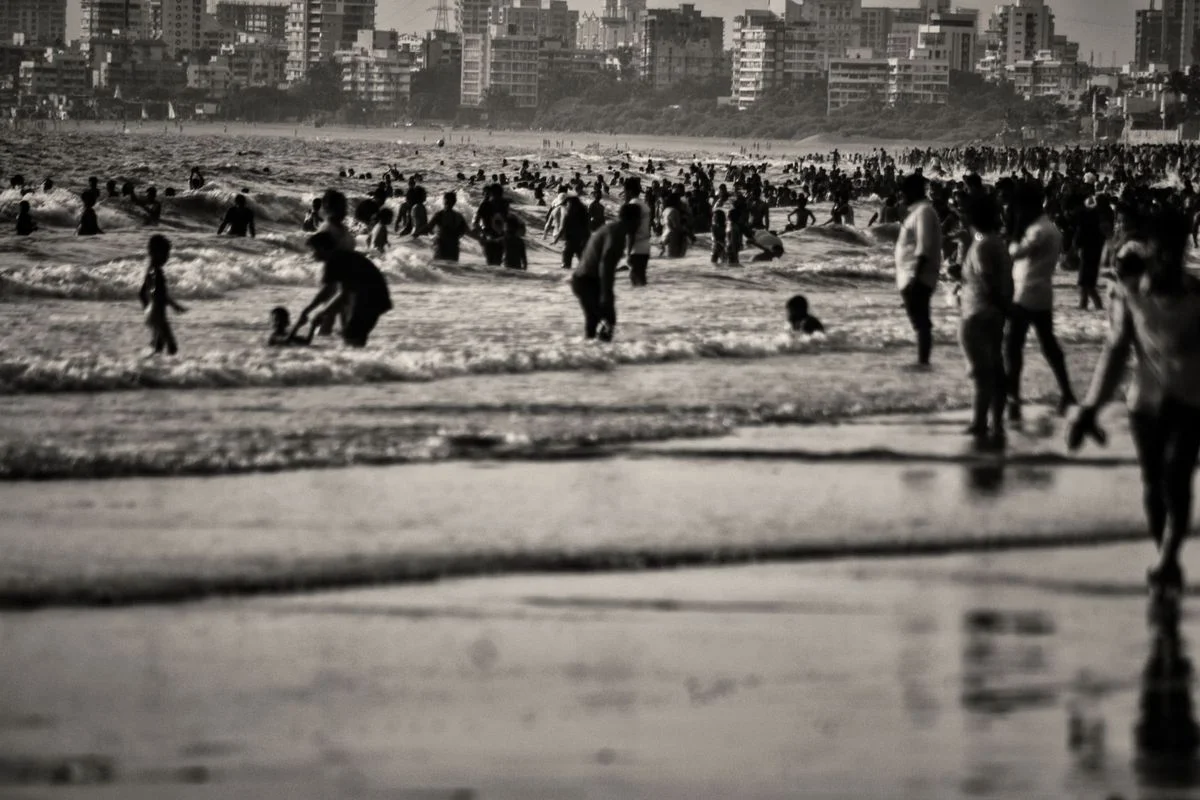
A growing number of popular global destinations are confronting the intricate challenges of overtourism, with some implementing robust measures to manage burgeoning visitor numbers. This escalating trend sees cities grappling with what Fox News describes as ‘massive crowds,’ leading to instances where ‘locals revolt’ and prompt authorities to take significant action. While certain locations are declaring firm stances to curb tourist influx, others find themselves in a more complex situation, where the economic reliance on tourism clashes with its overwhelming impact.
Background
Overtourism describes a phenomenon where the sheer volume of visitors to a particular location creates negative impacts on the local environment, community, and the overall quality of life for residents. The consequences often manifest as overcrowded public spaces, a considerable strain on local infrastructure, increased living costs for locals, and a growing sense of resentment from the permanent inhabitants. It represents a critical point where the benefits of tourism are overshadowed by its adverse effects, challenging the sustainability of destinations that rely heavily on their appeal to global travellers.
European City Imposes Stricter Rules
One prominent example of a destination taking definitive action is Barcelona. This ‘Popular European destination’ has explicitly declared, according to LiveNOW from FOX, ‘Not one tourist more’. This bold statement underscores the city’s resolve to address the pressures caused by high visitor numbers. In practical terms, Barcelona is reportedly implementing a ‘cruise tax’ designed to manage the environmental and infrastructural impact of cruise ship passengers. Furthermore, the city is planning a broader ‘tourism crackdown’ which is set to commence in ‘2026’, as detailed by LiveNOW from FOX. These measures collectively indicate a strategic effort to regain control over the city’s tourism landscape and alleviate the burden on its residents and resources.
Barcelona’s decisive move is indicative of a wider trend observed across Europe and other parts of the world. Fox News reports that ‘Major city[ies]’ are launching ‘harsh tourist crackdown[s]’ in response to the considerable discomfort and frustration expressed by ‘locals’ who are experiencing a ‘revolt over massive crowds’. Such crackdowns typically involve a range of policies from limiting access to certain areas, imposing new taxes, or even restricting rental properties to short-term visitors, all aimed at restoring a balance between tourism and local life. More details on Barcelona’s specific approach can be found via LiveNOW from FOX.
California Town’s Delicate Balance
In stark contrast to Barcelona’s firm stance, the ‘picturesque California town’ of Carmel-by-the-Sea faces a different, yet equally challenging, predicament. According to the San Francisco Chronicle, this charming locale is ‘overwhelmed by tourists — but can’t afford to lose them’. This statement encapsulates the core dilemma many attractive, smaller destinations confront: the very allure that draws visitors also contributes to the issues of overtourism, yet the economic well-being of the community is inextricably linked to these tourist flows.
The San Francisco Chronicle highlights how Carmel-by-the-Sea’s dependence on tourism creates a complex balancing act. While the town experiences the strain of being ‘overwhelmed by tourists,’ suggesting pressures on local infrastructure, housing, and the general ambience, the economic reality means that significantly reducing visitor numbers could have severe consequences for local businesses and employment. This situation underscores the intricate nature of managing tourism in places where the industry is both a blessing and a burden, requiring nuanced approaches that address both environmental and economic sustainability. The full story of Carmel-by-the-Sea’s struggle can be explored further in the San Francisco Chronicle.
FAQ
- Q: What exactly is overtourism?
A: Overtourism refers to the phenomenon where the volume of visitors to a specific destination becomes excessive, leading to negative impacts on local communities, infrastructure, the environment, and the overall quality of life for residents. - Q: Which cities are taking action against overtourism?
A: Barcelona, described as a ‘Popular European destination,’ has declared ‘Not one tourist more’ and is implementing measures like a ‘cruise tax’ and a ‘tourism crackdown 2026,’ according to LiveNOW from FOX. Other ‘Major city[ies]’ are also launching ‘harsh tourist crackdown[s]’ as ‘locals revolt over massive crowds,’ as reported by Fox News. - Q: Why do some destinations find it difficult to curb tourist numbers?
A: Some destinations, such as the ‘picturesque California town’ of Carmel-by-the-Sea, are ‘overwhelmed by tourists — but can’t afford to lose them,’ according to the San Francisco Chronicle. This indicates a strong economic reliance on tourism, making it challenging to reduce visitor numbers without significantly impacting local livelihoods and the economy.
What this means for you
For Birmingham and West Midlands readers, as well as the wider UK audience, these global developments underscore a growing international awareness regarding sustainable tourism practices. While the West Midlands itself might not be directly facing the same scale of ‘massive crowds’ as some of the global hotspots, the discussions around overtourism globally are likely to shape future travel experiences for UK holidaymakers planning trips abroad. Travellers might increasingly encounter new measures and restrictions designed to manage visitor flow in popular European destinations, such as the ‘cruise tax’ in Barcelona or other forthcoming ‘tourism crackdown[s]’.
This evolving landscape encourages a more mindful and responsible approach to travel, prompting individuals to consider the impact their visits have on local communities and environments. Whether planning a staycation in a popular UK destination or an international holiday, understanding the challenges of overtourism can inform choices that support a more balanced and respectful interaction with host communities. The global conversation indicates a significant shift towards fostering a more sustainable relationship between the tourism industry and local life, which will inevitably influence how and where we travel in the years to come.