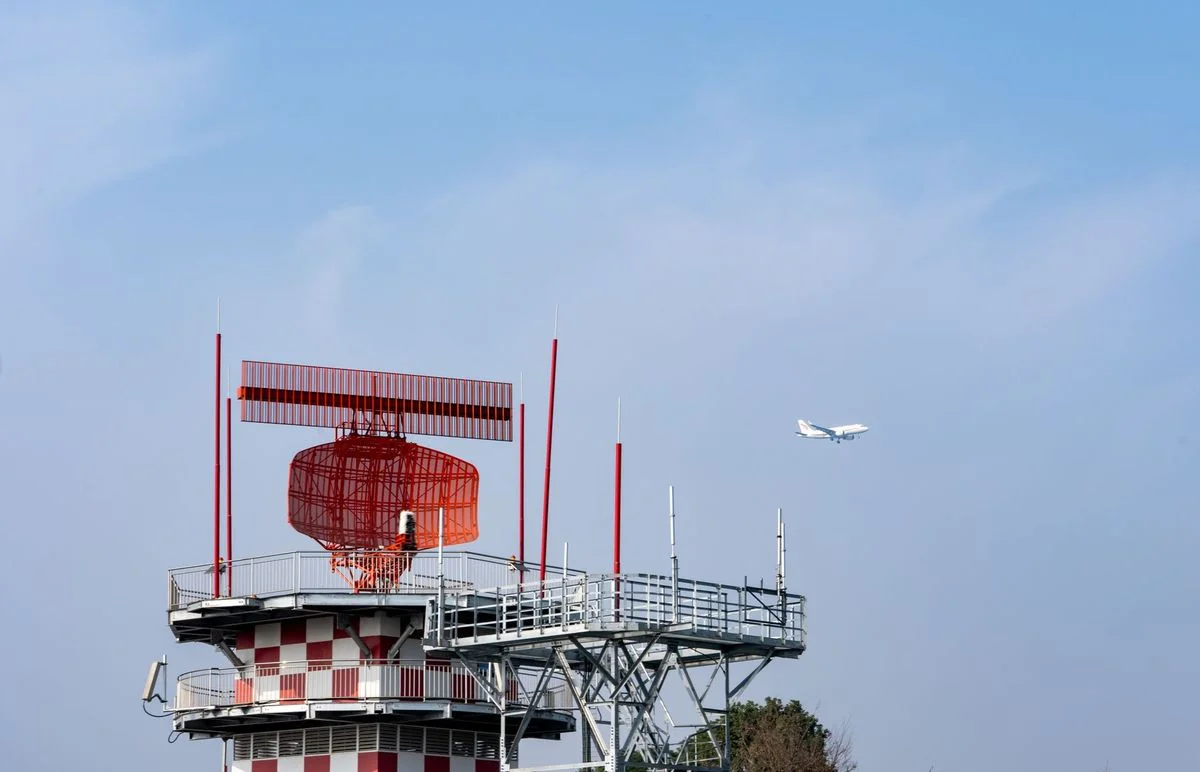
The Hong Kong government has formally concluded its review into a significant communication loss incident involving a Cathay Pacific flight. The official determination confirms that the aircraft experienced a critical loss of contact after its crew inadvertently switched to an incorrect radio frequency. This operational lapse reportedly necessitated the interception of the aircraft by a NATO jet, a development highlighted in a report by the South China Morning Post. The incident, widely referred to within Hong Kong media as the “CX comm loss incident,” has now seen its governmental investigation brought to a close, providing clarity on the circumstances that led to the flight’s temporary unresponsiveness.
Background to the Incident
The event central to this governmental review involved a Cathay Pacific aircraft that lost standard radio communication. According to multiple reports, including one from The Standard in Hong Kong, the loss of contact was directly attributable to the flight crew’s action of switching to the wrong radio frequency. In aviation, maintaining continuous and clear communication with air traffic control is a fundamental safety protocol, crucial for ensuring orderly and safe passage through controlled airspace. The deviation from the correct frequency meant that the aircraft effectively became ‘invisible’ to air traffic controllers in terms of direct radio contact.
The seriousness of this communication failure was further underscored by the response it triggered. As reported by the South China Morning Post, the incident led to a NATO jet being dispatched to intercept the Cathay flight. Such interceptions are rare and are typically reserved for situations where an aircraft is unresponsive, poses a potential threat, or deviates significantly from its flight plan without explanation. The intervention of military aircraft in such circumstances highlights the high stakes involved in maintaining constant and accurate communication in international airspace. The fact that a commercial airliner, part of a major international carrier like Cathay Pacific, was subject to such a measure underscores the gravity of the crew’s frequency selection error.
Government Review Concludes Findings
The governmental review into the “CX comm loss incident” has now reached its conclusion, as confirmed by 香港電台新聞網 (RTHK). While the specific detailed findings beyond the identified cause of the communication loss have not been publicly elaborated in the provided source material, the announcement of the review’s conclusion signifies a formal end to the investigation process. The confirmation firmly establishes that the flight crew’s decision to switch to an incorrect radio frequency was the direct antecedent to the communication breakdown. This conclusion is vital for identifying the precise operational lapse that occurred.
The rigorous process of conducting such a review by governmental bodies is a standard practice in the aviation industry. It aims not only to pinpoint blame but, more importantly, to understand the causal factors and systemic vulnerabilities that might have contributed to the incident. Such insights are crucial for implementing corrective actions, updating training protocols, or revising operational procedures to prevent similar occurrences in the future. The conclusion of this review provides the foundational understanding necessary for Cathay Pacific and broader aviation authorities to reinforce safety measures and crew vigilance regarding critical communication protocols.
Frequently Asked Questions (FAQ)
- Q: What was the root cause of the Cathay Pacific flight losing contact?
- A: The flight lost contact because its crew switched to an incorrect radio frequency.
- Q: What was a key consequence of the communication loss incident?
- A: A significant consequence was the reported interception of the Cathay Pacific flight by a NATO jet.
- Q: Who conducted the official investigation into this incident?
- A: The government (Hong Kong government, as implied by the Hong Kong-based news sources) formally concluded its review of the “CX comm loss incident.”
- Q: Which media outlets reported on the incident and its cause?
- A: The incident was reported by the South China Morning Post, 香港電台新聞網 (RTHK), and The Standard, all confirming the crew’s error.
What this means for you
For residents across Birmingham and the wider West Midlands, and indeed for all UK citizens who regularly travel by air, incidents such as this Cathay Pacific communication loss serve as a potent reminder of the complexities and stringent requirements of modern aviation. While this specific event occurred far from UK airspace, the principles of air safety are universally applied. The confirmed cause – a crew error in selecting a radio frequency – underscores the critical importance of meticulous adherence to procedures and continuous professional vigilance by flight crews on every journey.
The swift and comprehensive conclusion of the government’s review into this incident highlights the global aviation industry’s unwavering commitment to safety. It demonstrates that operational anomalies are thoroughly investigated to understand their root causes, ensuring that lessons are learned and integrated into training and operational guidelines worldwide. For passengers departing from Birmingham Airport or any other regional hub, this ongoing process of scrutiny and improvement, prompted by such incidents, reinforces the robust safety framework that underpinning air travel. It ensures that confidence in the journey, from take-off to landing, remains paramount, reflecting the collective dedication to safety across all international airlines and regulatory bodies.