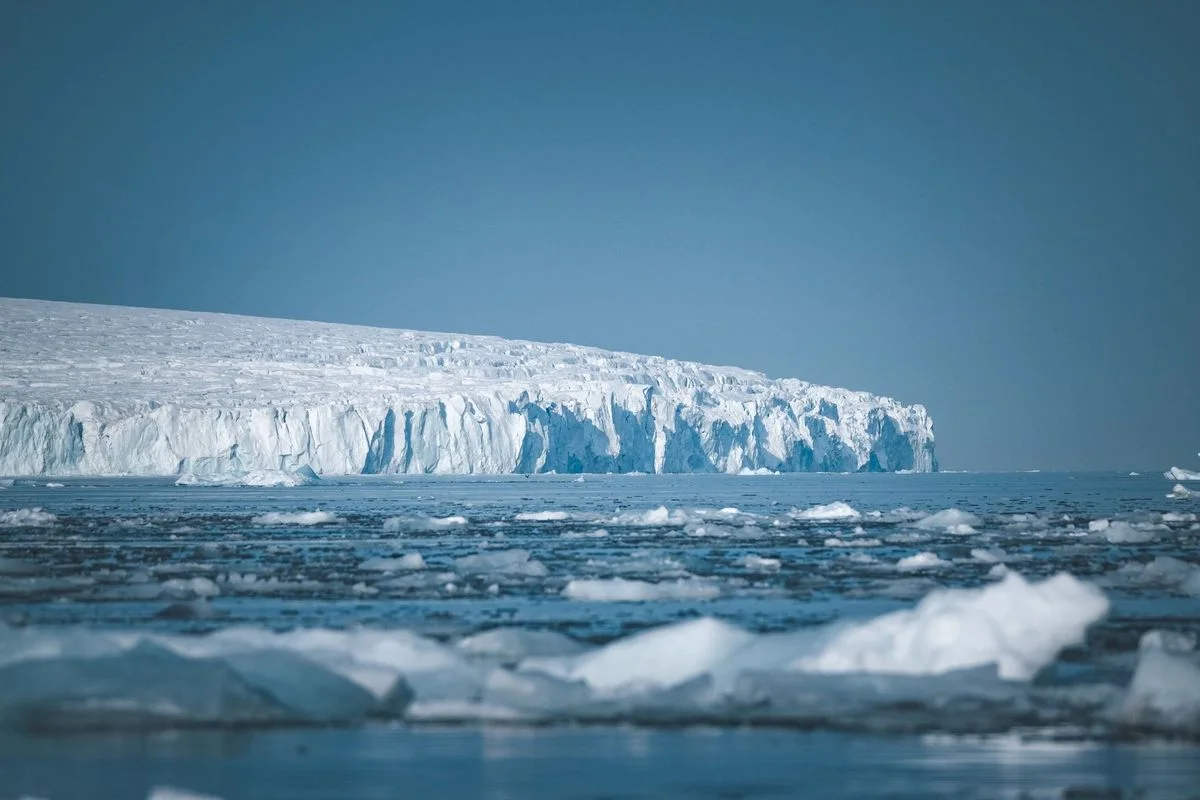
Scientists and news outlets globally are reporting a significant and concerning development in Antarctica, where an area of sea ice on the west coast equivalent to the size of France has not formed. Temperatures in the region have peaked 20C above average, leading to widespread concern among the scientific community.
The vast expanse of missing ice has been observed through satellite imagery, highlighting a dramatic change in the polar environment. According to The Guardian, this unprecedented situation underscores the impact of warming trends on one of the planet’s most crucial ecosystems.
Background
Antarctica’s sea ice plays a vital role in regulating global temperatures, reflecting sunlight back into space and influencing ocean currents. Its formation and melt cycles are closely monitored by scientists worldwide. The current situation, where such a substantial area of ice is missing, represents a deviation from typical patterns. The Australian Broadcasting Corporation (ABC) highlighted that satellite images clearly reveal this missing ice, which is precisely the ‘size of France’.
Scale of the Development
The scale of the missing sea ice is a primary focus of concern. To put it into perspective, an area of sea ice the size of France represents hundreds of thousands of square kilometres of ocean that would normally be covered. This absence of ice means less solar radiation is reflected, potentially contributing to further regional warming.
Additionally, the temperature anomaly reported is striking. Temperatures peaking 20C above average indicate an extreme heatwave hitting the continent, a phenomenon described as horrifying by scientists, according to Futurism. Such significant temperature increases can have cascading effects on the delicate polar environment, impacting local wildlife and ecosystems.
FAQ
-
Q: What is the main issue reported in Antarctica?
A: A significant area of sea ice, comparable to the size of France, is reported missing from Antarctica’s west coast, failing to form as expected.
-
Q: How much above average are the temperatures in the affected region?
A: Temperatures in parts of Antarctica’s west coast have peaked 20C above average, contributing to the sea ice anomaly.
-
Q: Which specific area of Antarctica is primarily affected?
A: The west coast of Antarctica is the primary region experiencing this substantial sea ice loss.
-
Q: Who is reporting on this situation?
A: Reputable news organisations, including The Guardian, Futurism, and the Australian Broadcasting Corporation (ABC), are among those reporting on these concerning developments.
What this means for you
While Antarctica may seem a world away from Birmingham and the West Midlands, developments in polar regions have global implications. The state of Antarctica’s sea ice can influence global weather patterns, ocean levels, and marine ecosystems, which in turn can have indirect effects on communities worldwide, including the UK.
For residents of Birmingham and the wider West Midlands, monitoring such environmental news is part of understanding the broader picture of our planet’s health. While direct, immediate impacts may not be evident, long-term environmental shifts can affect everything from weather volatility to global food chains.
For those considering future travel, particularly to destinations with sensitive ecosystems or even planning cruises in 2026, understanding global environmental changes is increasingly important. This report serves as a reminder of the dynamic and interconnected nature of our planet.