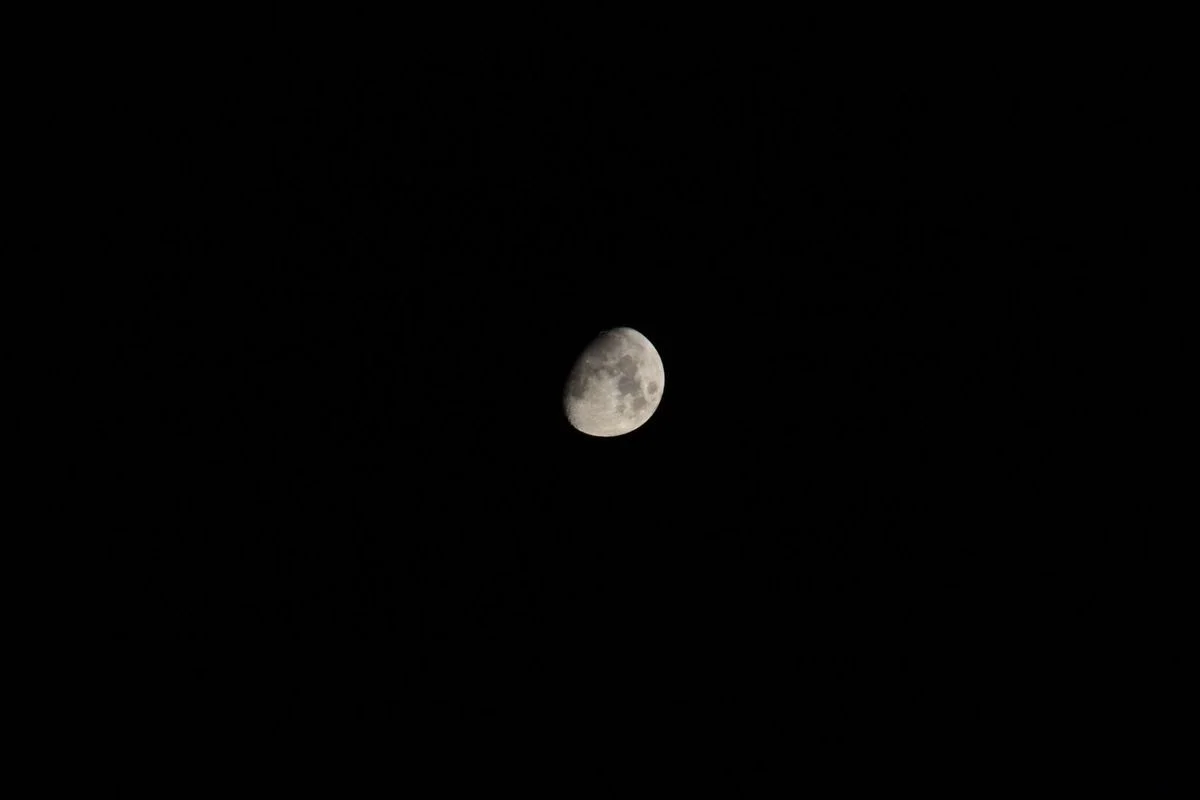
The celestial calendar is once again drawing public attention, with specific dates in July 2026 highlighted for significant lunar observations. Reports from prominent publications indicate a keen focus on what the Moon will look like on both July 26, 2026, and July 27, 2026. This anticipation underscores the enduring public and scientific interest in the Moon’s ever-changing appearance, prompting news outlets to provide timely updates for stargazers and casual observers alike.
As these dates approach, individuals across the UK and beyond are encouraged to consult dedicated reports that detail the specific characteristics of the Moon’s phases. This coverage aims to inform and guide those wishing to observe our natural satellite in its various forms, maintaining a long-standing tradition of lunar appreciation.
Background
Interest in the Moon’s phases is a recurring phenomenon that captivates audiences globally. Its predictable yet visually striking cycle—from new moon to full moon and back again—consistently generates discussion and prompts detailed reporting. Each month, specific dates become focal points for lunar enthusiasts, with news organisations often providing comprehensive guides on what to expect when looking skyward. This sustained fascination ensures that moon phases remain a pertinent topic within news coverage, bridging scientific observation with general public interest. The anticipation surrounding July 26 and July 27, 2026, is a testament to this ongoing engagement with astronomical events.
Publications dedicated to science and general news frequently feature articles discussing these celestial occurrences, offering a valuable resource for anyone keen to track the Moon’s journey through the night sky. This tradition of reporting helps to demystify complex astronomical phenomena and make them accessible to a wider audience, fostering a greater appreciation for the natural world.
Upcoming Lunar Appearances: July 26, 2026
Attention is specifically being directed towards the moon phase expected on July 26, 2026. Mashable is among the outlets providing detailed coverage regarding what the Moon will look like on this particular date. Their report serves as a key source for individuals seeking information on the lunar appearance, offering insights into the observable features of the Moon for that day. This focused reporting allows enthusiasts to plan their observations, ensuring they are well-informed about the celestial display.
The emphasis on specific dates like July 26, 2026, highlights how news organisations cater to the public’s curiosity about natural phenomena. By detailing the Moon’s expected appearance, these reports contribute to a shared understanding and appreciation of our nearest celestial neighbour. The anticipation surrounding this date reflects the broader appeal of astronomical events and the valuable role that media plays in disseminating this information.
Focus Shifts to July 27, 2026
Following the coverage for July 26, 2026, interest extends to the subsequent day, July 27, 2026. Yahoo is also focusing its reporting on the moon phase for July 27, 2026, offering readers a glimpse into what the Moon will present visually. This dual focus ensures that observers have comprehensive information spanning consecutive days, allowing for a broader period of lunar observation.
The continuity of reporting across these dates, from Mashable’s focus on July 26 to Yahoo’s coverage of July 27, underscores the sustained public interest in lunar cycles. Such extensive reporting provides a valuable resource for anyone wishing to follow the Moon’s progression, offering timely and accessible information for planning observations. This approach reflects the dynamic nature of celestial events and the consistent demand for up-to-date information regarding their appearance.
The Waxing Crescent Moon in Context
Amidst the discussions surrounding the moon phases of late July 2026, the specific term “waxing crescent moon” is also highlighted in related reporting. Bay to Bay News, for instance, features a title directly referencing this phase. While the precise timing of this specific phase in relation to July 26 or 27 is not detailed in the provided titles, its mention indicates that the waxing crescent is a significant component of current lunar discourse and observation. This particular phase is part of the broader conversation surrounding lunar cycles and their visual characteristics.
The inclusion of “waxing crescent moon” in media titles indicates a general interest in this specific stage of the Moon’s illumination. Such reporting contributes to the public’s understanding of the various forms the Moon takes throughout its monthly cycle, enriching the overall appreciation for celestial mechanics and visual astronomy. It serves as a reminder that each phase of the Moon holds its unique appeal for observers.
FAQ
- Q: Which dates are currently drawing attention for moon phases?
A: Current reports highlight the moon phases for July 26, 2026, and July 27, 2026, according to publications like Mashable and Yahoo. - Q: Where can I find details about the moon phase on July 26, 2026?
A: Information regarding the Moon’s appearance on July 26, 2026, is being covered by Mashable, as per their article title. - Q: What about the moon phase for July 27, 2026?
A: Yahoo is also focusing on the moon phase for July 27, 2026, providing details on what the Moon will look like, as reported by Yahoo. - Q: Is a specific moon phase being mentioned in related coverage?
A: The term “waxing crescent moon” appears in related discussions, according to Bay to Bay News.
What this means for you
For Birmingham and West Midlands readers, alongside a general UK audience, the heightened reporting on specific lunar dates, particularly July 26 and July 27, 2026, provides a timely impetus to engage with the night sky. While direct viewing conditions are subject to local weather, this concentrated media attention serves as an excellent reminder to look upwards and observe our celestial neighbour. The availability of detailed reports from sources such as Mashable and Yahoo offers a clear pathway for understanding what the Moon will look like on these specific evenings.
This period of increased lunar interest presents a valuable opportunity for local communities and individuals to connect with astronomical phenomena. Whether you are an experienced stargazer or simply curious about the sky above, consulting these publications can enhance your viewing experience. It encourages a collective awareness of the natural world, prompting reflection on our place within the cosmos and providing a simple yet profound way to engage with science from your own back garden or a local park.