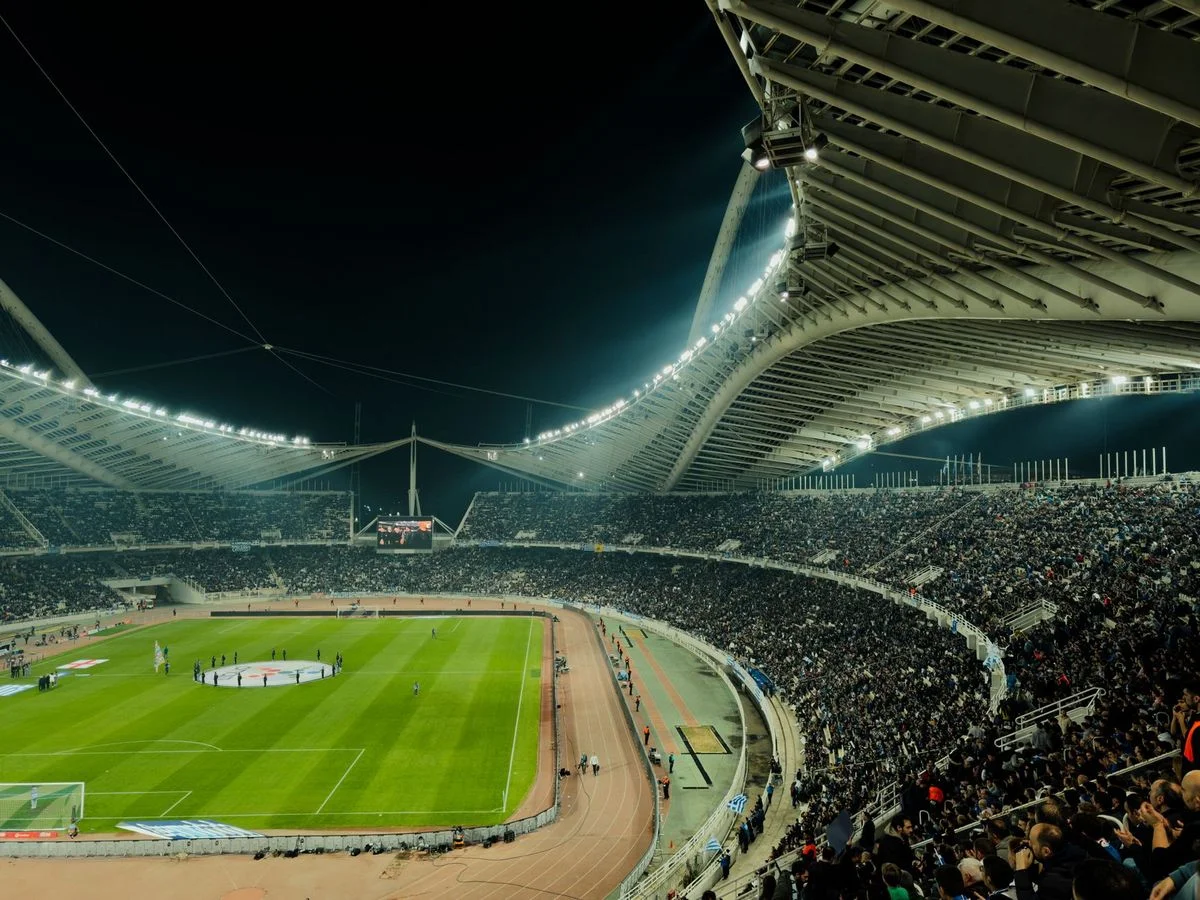
The ongoing World Cup is drawing significant attention, not only for the action on the pitch but also for several controversies surrounding its structure and commercial aspects. Hydration breaks, advertising rule breaches, and the tournament’s format have all come under scrutiny, prompting debate among fans and media alike.
Notably, FIFA has decided against punishing broadcaster Fox for alleged advertising rule violations during the World Cup opener, a development reported by The Guardian. Meanwhile, the tournament’s ‘quarters’ have been described as ‘ludicrous’ and ‘disfiguring football’ by The Telegraph, sparking further discussion about the fan experience.
Background
The expanded format of the 2026 World Cup has generated considerable excitement, with many looking forward to the increased participation and global reach, as discussed in our piece Anticipation Builds for Expanded 2026 World Cup. However, alongside this expansion come structural and commercial challenges.
Hydration breaks, or ‘drinks breaks’ as they are often termed, have become a regular feature in football matches, particularly in tournaments held in hotter climates. Intended to protect player welfare, these stoppages have evolved into strategic moments that can influence game momentum and, increasingly, provide opportunities for broadcasters.
The balancing act between maintaining the flow of the game, ensuring player safety, and capitalising on commercial opportunities is a constant challenge for sports organisers. This dynamic is not unique to football; other sports, from the intense rivalries seen in Rangers vs Aberdeen to the individual endurance of athletes like Aryna Sabalenka in tennis, grapple with their own versions of this tension, striving to deliver both athletic excellence and compelling viewership.
FIFA’s Stance on Advertising and Broadcasting
A recent point of contention arose when broadcaster Fox was accused of breaking advertising rules during the World Cup opener. The nature of these alleged breaches involved the utilisation of periods meant for hydration breaks. However, The Guardian reported on June 14, 2026, that FIFA would not be punishing Fox for these actions.
This decision has raised questions about the enforcement of broadcasting regulations during major tournaments and the commercial pressures that influence such rulings. The incident highlights the complex relationship between sports governing bodies, broadcasters, and advertisers, particularly during high-profile events like the World Cup.
The ‘Ludicrous Quarters’ Debate
Beyond advertising, the very structure of matches has drawn strong criticism. The Telegraph, in an article published on June 15, 2026, vehemently described the World Cup’s ‘quarters’ as ‘ludicrous’ and asserted that they are ‘disfiguring football.’ This commentary points to a growing dissatisfaction with the impact of scheduled drinks breaks on the traditional flow and integrity of the game.
These breaks effectively split each half of a match into two ‘quarters’, disrupting the rhythm and tactical continuity that are central to football. The BBC also weighed in on the issue of ‘World Cup hydration breaks’, discussing ‘who are the winners and losers?’ from these enforced stoppages. While players may benefit from rest and rehydration, the article implies that the breaks can fragment the viewing experience and alter the natural ebb and flow of a match.
FAQ
- What are World Cup hydration breaks?
Hydration breaks, also known as drinks breaks, are mandatory stoppages during football matches, typically in each half, to allow players to rehydrate and rest, especially in hot conditions. - Why are hydration breaks controversial?
According to The Telegraph, they are criticised for creating ‘ludicrous ‘quarters” that ‘disfigure football’ by disrupting the game’s natural flow and rhythm. The BBC has also explored who benefits and who loses from their implementation. - What was the issue with broadcaster Fox?
Fox was accused of breaking advertising rules during the World Cup opener, specifically regarding the use of hydration break periods for commercial purposes. However, FIFA confirmed it would not punish the broadcaster, according to The Guardian. - What does ‘ludicrous quarters’ mean?
This term, used by The Telegraph, refers to the perception that hydration breaks effectively divide each 45-minute half of a football match into two distinct segments, making the game feel like it’s played in ‘quarters’ rather than two continuous halves, thereby negatively impacting its traditional structure.
What this means for you
For football fans in Birmingham, across the West Midlands, and throughout the UK, these developments speak to the evolving nature of the game and how it is presented. The controversies surrounding hydration breaks, advertising enforcement, and the tournament’s ‘ludicrous ‘quarters” directly impact your viewing experience.
Whether you’re watching at home, in a pub, or following updates on the go, these structural and commercial decisions shape the narrative and the spectacle of the World Cup. They highlight the ongoing tension between maintaining football’s traditional integrity and the commercial realities of hosting a global event. Understanding these debates offers a deeper insight into the forces that influence the world’s most popular sport, affecting how you experience every kick, goal, and moment of drama.