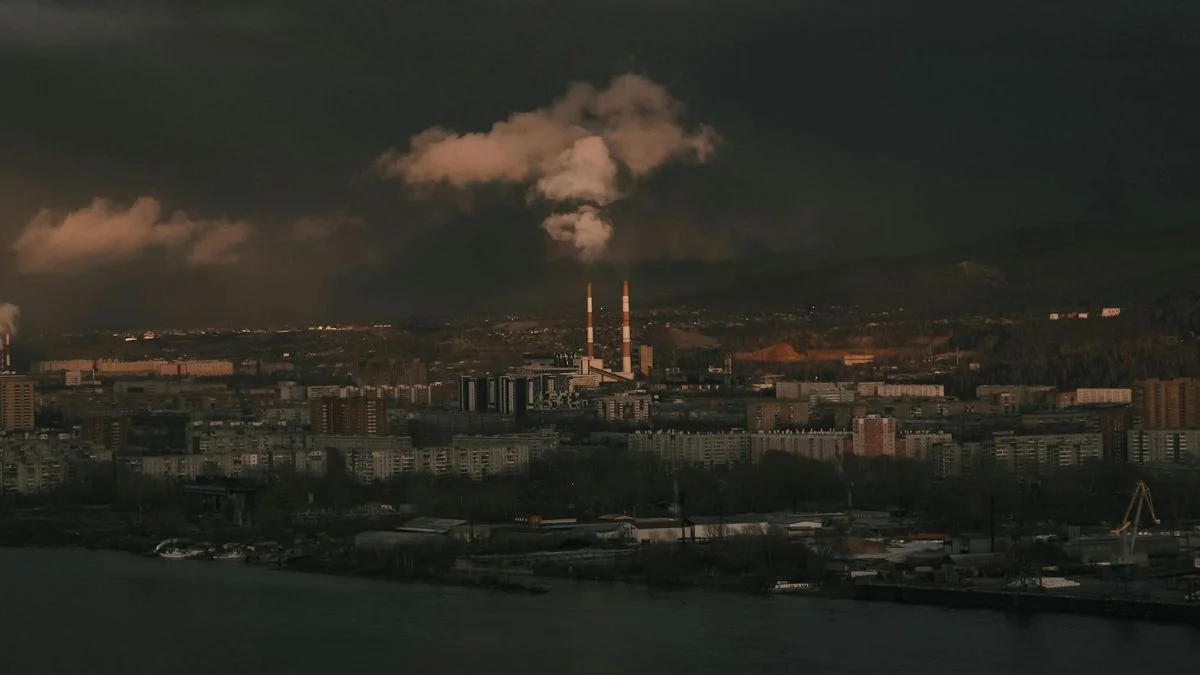
Russia is reportedly experiencing “certain problems” with its fuel supplies, an admission made by Kremlin spokesman Dmitry Peskov. This comes after Ukrainian forces targeted energy sites within Russia.
These developments coincide with reports of drone attacks hitting military targets in St Petersburg, described by The Telegraph as a “second wave” of such assaults. The BBC’s Steve Rosenberg noted a “plume of smoke” over St Petersburg as a lasting image from a recent economic forum held in the city, underscoring the immediate impact of these events.
Background
The ongoing conflict between Ukraine and Russia has intensified, with both sides frequently engaging in actions aimed at undermining the other’s capabilities. Recent Ukrainian operations have notably focused on Russian energy infrastructure, a strategy designed to disrupt logistical and economic capacities. The targeting of facilities in and around St Petersburg, a major Russian city, marks a significant extension of these operations, highlighting the evolving nature of the conflict.
Russia’s Fuel Supply Challenges
Dmitry Peskov, a spokesman for the Kremlin, has acknowledged that Russia is facing “certain problems” with its fuel supplies. This admission, as reported by The Guardian, follows a period where Ukrainian forces have specifically targeted Russian energy sites. The impact of these strikes appears to be manifesting in domestic supply chains, prompting official acknowledgement of the difficulties. Such disruptions to energy networks can have widespread implications for various sectors within Russia, from military logistics to civilian consumption, potentially exacerbating economic pressures.
Drone Attacks on St Petersburg
The city of St Petersburg, a significant economic and military hub in Russia, has reportedly been subjected to drone attacks. The Telegraph detailed these incidents, describing them as a “second wave of attacks” by Ukrainian drones targeting military facilities in the area. These strikes underscore the increasing reach and sophistication of Ukrainian uncrewed aerial vehicle capabilities.
Adding to the visual evidence of these incidents, Steve Rosenberg of the BBC noted a “plume of smoke” over St Petersburg. This observation was made during a recent economic forum held in the city, becoming a lasting image from the event and visually signifying the immediate effects of the ongoing conflict on Russian territory.
FAQ
- Q: What has Russia’s Kremlin spokesman Dmitry Peskov admitted regarding fuel supplies?
A: Dmitry Peskov, a spokesman for the Kremlin, has admitted that Russia is experiencing “certain problems” with its fuel supplies. This acknowledgement follows Ukrainian targeting of Russian energy sites. - Q: What recent events have affected St Petersburg?
A: St Petersburg has reportedly been hit by drone attacks targeting military facilities, described by The Telegraph as a “second wave”. During a recent economic forum in the city, the BBC’s Steve Rosenberg also noted a “plume of smoke” over St Petersburg. - Q: What is the reported cause of Russia’s fuel supply issues?
A: According to The Guardian, the “certain problems” with Russia’s fuel supplies follow Ukrainian forces targeting energy sites within Russia. - Q: Who observed a “plume of smoke” over St Petersburg?
A: Steve Rosenberg of the BBC observed a “plume of smoke” over St Petersburg, noting it as a lasting image from a recent economic forum held in the city.
What this means for you
The ongoing conflict in Ukraine, coupled with these recent developments in Russia, continues to exert influence on global affairs, with indirect but tangible implications for the UK. For residents across Birmingham and the wider West Midlands, and indeed the entire UK, understanding these events provides crucial context for wider economic trends.
Disruptions to any major energy producer, such as Russia, can send ripples through international markets, potentially affecting global oil and gas prices. While the UK sources its energy from diverse suppliers, shifts in the global supply-demand balance can still impact the cost of fuel and utilities here at home. These factors contribute to the broader economic landscape, influencing inflation and the cost of living for households and businesses.
Furthermore, the geopolitical instability underscored by drone attacks on key Russian cities like St Petersburg maintains pressure on international diplomacy and trade. The UK, as a key international player, continues to navigate these complex dynamics, with policy decisions and economic forecasts often shaped by the evolving situation. Staying informed about such global events is key to understanding the interconnectedness of world economies and their potential effects on local communities in the West Midlands and beyond.